
Search

Content type: News & Analysis
Actualmente, las empresas tecnológicas se encuentran inmersas en constante cambio. Uno de ellos es la creciente importancia que ha cobrado la seguridad digital, convirtiéndose en una prioridad. Que un emprendimiento resguarde su seguridad digital significa que puede gestionar los riesgos asociados a mantener la confidencialidad, integridad y disponibilidad de su información.
En este contexto, resulta de gran relevancia que las personas responsables del emprendimiento digital y el…

Content type: News & Analysis
El objetivo es facilitar a la sociedad civil una guía para la navegación de este organismo, efectuar un diagnóstico que permita situar cualquier persona interesada sobre la actualidad de la temática a nivel regional y descubrir la agenda de seguridad digital que sostiene la OEA en el continente.
Finalmente, concluimos con una serie de breves recomendaciones dirigidas a los organismos de la OEA. Con ello, esperamos que este órgano reconozca el papel que puede jugar como catalizador en el…
Content type: News & Analysis
En el 2011 se liquidó el DAS. Las violaciones, excesos y abusos de la inteligencia estatal que comenzaban por la intimidad y terminaban con la vida de los ciudadanos habían producido condenas judiciales a varios exdirectores: claro indicador de que se necesitaba un cambio. Siete años ha tenido el Estado colombiano para ordenar la casa y esta semana someterá sus récords de derechos humanos al examen de los miembros de Naciones Unidas. La evaluación analizará, entre otros…

Content type: News & Analysis
Los frecuentes escándalos sobre el abuso de la vigilancia estatal en actividades de inteligencia, la exagerada obligación legal que tienen las empresas de telefonía de retener los datos de las comunicaciones de sus usuarios por cinco años o la manera como se diluye el concepto de privacidad en el Código de Policía serán parte del examen que se haga en el seno de la ONU sobre la forma como Colombia cumple sus compromisos de derechos humanos.
Dirigido por los Estados y con el auspicio del…
Content type: News & Analysis
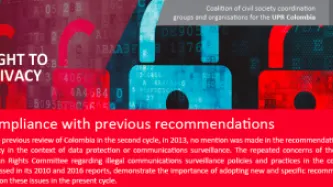
In the lead-up to the 30th session of the Universal Periodic Review which took place on 10 May 2018, Fundación Karisma, a partner organisation in the Privacy International Network, joined a coalition of civil society groups in Colombia to raise more awareness about the country's human rights record.
As part of the joint effort, the coalition produced factsheets on various human rights in the Colombian context, including the right to privacy. It is available in both English and Spanish.

Content type: News & Analysis
El 10 de mayo de 2018, en el marco del 30º período de sesiones del Examen Periódico Universal (EPU) en el Consejo de Derechos Humanos de las Naciones Unidas, toca la revisión de Colombia, lo que es una oportunidad Colombia y otros Estados para declarar qué acciones han tomado para mejorar la situación de derechos humanos en sus propios países, para cumplir sus obligaciones internacionales en la materia.
Colombia se encuentra actualmente en un punto de inflexión, debido al proceso de transición…

Content type: News & Analysis
On 10 May 2018, Colombia’s human right record will be reviewed as part of the 30th session of the Universal Periodic Review (UPR), under the auspices of the Human Rights Council, which provides the opportunity for each State to declare what actions they have taken to improve the human rights situations in their countries and to fulfil their human rights obligations.
Colombia is at an important turning point in its history as it transitions from four decades of conflict. This provides…

Content type: Report
La seguridad digital es una discusión crítica y hay que reconocer que la sociedad civil y los grupos de interés público no han sido suficientemente considerados. Como respuesta, varias organizaciones de la sociedad civil de América Latina se unieron para presentar informes que recuerdan a las entidades estatales responsables de formulación de políticas públicas que la seguridad digital debe tener en cuenta la seguridad de las personas y los derechos humanos. Presentamos la serie, Derechos…

Content type: News & Analysis
Written by Karisma Foundation
7:03: Catalina leaves her apartment and a security camera follows her down the hall, another one observes her in the elevator while she fixes her hair. As she exits the building, the warden tells her she doesn’t have to fix her hair because she is already pretty as she is. She gets to the parking lot where another two cameras look at her while she gets into her car.
8:00: She is heading to an open data workshop organized by the Colombian government in a…

Content type: Advocacy
Este informe de terceras partes interesadas es una contribución escrita presentada por Dejusticia, Fundación Karisma y Privacy International (PI). Dejusticia es una organización de derechos humanos colombiana que brinda conocimientos especializados sobre derechos humanos. Fundación Karisma es una organización de la sociedad civil colombiana que busca dar respuesta a las oportunidades y a las amenazas que surgen en el contexto de la tecnología para el desarrollo para el ejercicio de los derechos…

Content type: Advocacy
This stakeholder report is a submission by Dejusticia, Fundación Karisma and Privacy International (PI). Dejusticia is a Colombian human rights organization that provides expert knowledge on human rights. Fundación Karisma is a Colombian civil society organization that seeks to respond to the opportunities and threats that arise in the context of ‘technology for development’ for the exercise of human rights. PI is a human rights organisation that works to advance and promote the right to…
Content type: Long Read
To celebrate Data Privacy Week, we spent the week discussing privacy and issues related to control, data protection, surveillance, and identity. Join the conversation on Twitter using #dataprivacyweek.
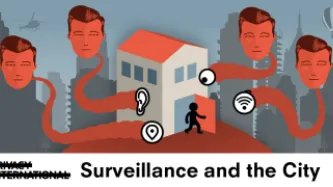
Do you live in a “smart city”? Chances are, you probably do (or at least your city claims to be). But do you know what exactly makes your city “smart”, beyond the marketing term? And what does this have to do with privacy?
Companies and governments will tell you that the more cameras, sensors…
Content type: Long Read
To celebrate International Data Privacy Day (28 January), PI and its International Network have shared a full week of stories and research, exploring how countries are addressing data governance in light of innovations in technology and policy, and implications for the security and privacy of individuals.
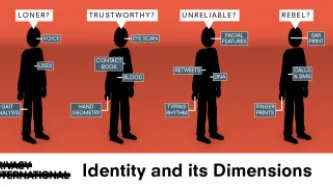
According to the World Bank, identity “provides a foundation for other rights and gives a voice to the voiceless”. The UN Deputy Secretary-General has called it a tool for “advancing…
Content type: Long Read
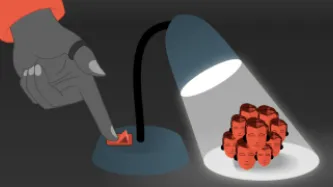
Privacy International is celebrating Data Privacy Week, where we’ll be talking about privacy and issues related to control, data protection, surveillance and identity. Join the conversation on Twitter using #dataprivacyweek.
Exercising the right to privacy extends to the ability of accessing and controlling our data and information, the way it is being handled, by whom, and for what purpose. This right is particularly important when it comes to control of how States perform these activities.…
Content type: Press release
The release of a new report by Privacy International exposes Colombia's intelligence agencies' previously unknown history of developing communications surveillance capabilities outside of lawful authority.
The report “Shadow State: Surveillance law and order in Colombia” reveals, via previously unreleased documents, the Colombian police agencies' and intelligence services' long history developing surveillance systems. Rather than building a well-regulated system of surveillance after Colombia…

Content type: Advocacy
Este informe es presentado por la Asociación por los Derechos Civiles (ADC) y Privacy International (PI). La Asociación por los Derechos Civiles (ADC) es una organización no gubernamental, sin nes de lucro, ubicada en Buenos Aires, que promueve los derechos civiles y sociales en Argentina y otros países latinoamericanos. Fue fundada en 1995 con el objetivo de fortalecer una cultura jurídica e institucional que garantice los derechos fundamentales de la gente, basado en el respeto a la…

Content type: News & Analysis
This piece was co-written with Valeria Milanes of the Asociación por los Derechos Civiles (ADC). A Spanish version is available here.
In January 2015, the intelligence regime in Argentina was put in the limelight following the death of Prosecutor Alberto Nisman. It was alleged that the intelligence services were involved in his death. This scandal prompted reform of the country’s intelligence system.
In February of the same year, the Intelligence Act (N° 25…

Content type: News & Analysis
This blog was written by Fundación Karisma, a member of the Privacy International Network. It does not necessarily reflect the views or position of Privacy International.
The Colombian General Prosecutor said recently that the blocking of IMEI is not working. He is talking about a registry created in 2011 that aims to reduce cellphone theft by blocking reportedly stolen phones of Colombian networks.
Fundación Karisma has been following this program and now, after six years…

Content type: Advocacy
This stakeholder report is a submission by Asociación por los Derechos Civiles (ADC) and Privacy International (PI). The Asociación por los Derechos Civiles (ADC) is a non-governmental, non-pro t organisation based in Buenos Aires that promotes civil and social rights in Argentina and other Latin American countries. It was founded in 1995 with the purpose of helping to strengthen a legal and institutional culture that guarantees the fundamental rights of the people, based on respect…

Content type: News & Analysis
This guest piece was written by Leandro Ucciferri of the Association for Civil Rights (Asociación por los Derechos Civiles). It does not necessarily reflect the views or position of Privacy International.
We look at our smartphone first thing in the morning to check the weather, and our to-do list for the day. During breakfast, we read the news and learn about what is going on in the rest of the world. In our commute to work or college, we scroll through our social media feeds…
Content type: Long Read
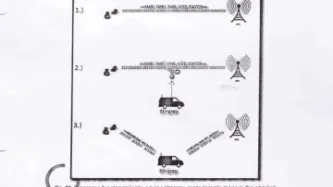
The use of IMSI catchers[1] to arrest individuals is rarely documented — as IMSI catchers are used secretively in most countries. The arrest of Colombian drug lord Henry López Londoño in Argentina is therefore a rare opportunity to understand both how IMSI catchers are used, and also the complexity of their extraterritorial use.
In October 2012, Londoño — also known as Mi Sangre (“My Blood”) — was arrested in Argentina. His arrest was the result of cooperation between the Dirección de…

Content type: News & Analysis
Este artículo fue co-escrita con Valeria Milanes de la Asociación por los Derechos Civiles (ADC). Una versión en ingles está disponible aquí.
En Enero de 2015, el sistema de inteligencia de Argentina fue objeto de atención pública luego de la muerte del fiscal Alberto Nisman, debido a la presunta participación de los servicios de inteligencia en dicho suceso. Este escándalo impulsó la reforma del sistema de inteligencia del país.
En Febrero del mismo…
Content type: Press release
This week in Geneva, the UN Human Rights Committee will examine Colombia’s compliance with the International Covenant on Civil and Political Rights (ICCPR). This review, by a body of independent experts charged with monitoring compliance with the ICCPR, comes just weeks after the peace deal between President Juan Manuel Santos and Farc leader Timoleon Jimenez was rejected by voters and months after it was revealed that an investigative journalist was put under surveillance by the Colombian…
Content type: Press release
This week in Geneva, the UN Human Rights Committee will examine the Argentina’s compliance with the International Covenant on Civil and Political Rights (ICCPR), an international treaty which places obligations on signatories to guarantee human rights such as the right to privacy.
This review, by a body of independent experts charged with monitoring compliance with the ICCPR, comes at a critical time for Argentina laws and policies on privacy and surveillance.
Recent years have seen…
Content type: Press release
Esta semana en Ginebra, el Comité de Derechos Humanos de la ONU examinará el cumplimiento de la Argentina con el Pacto Internacional de Derechos Civiles y Políticos (PIDCP), un tratado internacional que establece obligaciones a los firmantes para garantizar los derechos humanos, como el derecho a la privacidad.
Este examen, por un grupo de expertos independientes encargados de vigilar el cumplimiento del PIDCP, llega en un momento crítico para las leyes y políticas de la Argentina sobre la…

Content type: Advocacy
La Asociación por los Derechos Civiles (ADC) y Privacy International toman nota de las respuestas del gobierno de Argentina a la lista de cuestiones antes de la presentación del informe, en particular en relación a la legislación, políticas y prácticas relacionadas con la vigilancia y la protección de los datos personales.
Privacy International es una organización de derechos humanos que trabaja para favorecer y promover el derecho a la privacidad y la lucha contra la vigilancia en todo el…

Content type: Advocacy
Asociación por los Derechos Civiles (ADC) and Privacy International note the replies by the government of Argentina to the list of issues prior to the submission of the report, in particular in relation to the laws, policies and practices related to surveillance and protection of personal data.
Privacy International is a human rights organisation that works to advance and promote the right to privacy and fight surveillance around the world. The Asociación por los Derechos Civiles (ADC) is a…

Content type: Advocacy
La Asociación por los Derechos Civiles (ADC) y Privacy International toman nota de las respuestas del gobierno de Argentina a la lista de cuestiones antes de la presentación del informe, en particular en relación a la legislación, políticas y prácticas relacionadas con la vigilancia y la protección de los datos personales.
Privacy International es una organización de derechos humanos que trabaja para favorecer y promover el derecho a la privacidad y la lucha contra la vigilancia en todo el…

Content type: Long Read
Written by: Maria del Pilar Saenz
With a raft of recent scandals involving proven and possible abuses of surveillance systems by state institutions, there is a clear need to generate policy and practice in Colombia that promotes respect for human rights. It is necessary to keep this in mind as an emerging public policy discussion on cybersecurity led by CONPES (The National Council for Economic and Social Policy) begins in Colombia. This series of reforms will serve as the policy basis…

Content type: Report
The right to privacy is a qualified right. Gender is not and cannot be its qualification.
For this year’s International Women’s Day, the Privacy International Network is sharing some of its successes as well as the challenges and opportunities we face in at the intersection of gender issues and the right to privacy. Click here to see this feature.
Interferences and violations of the right to privacy, as described in the UN Declaration of Human Rights, affect society as a whole. However,…